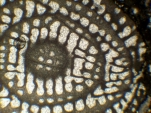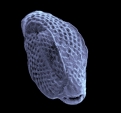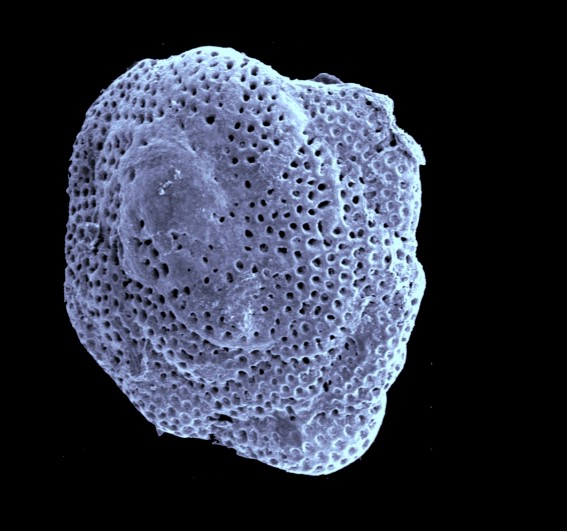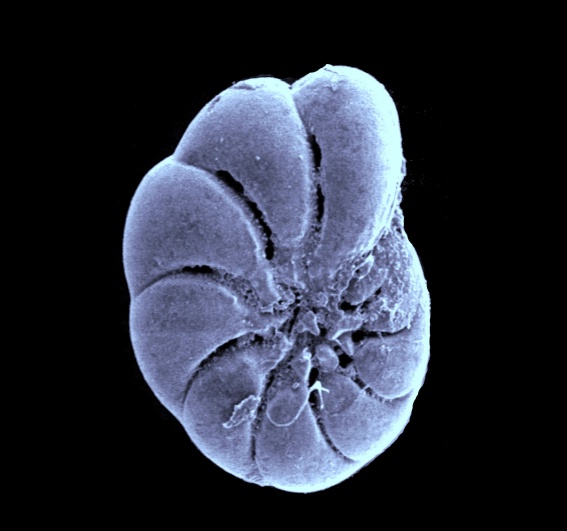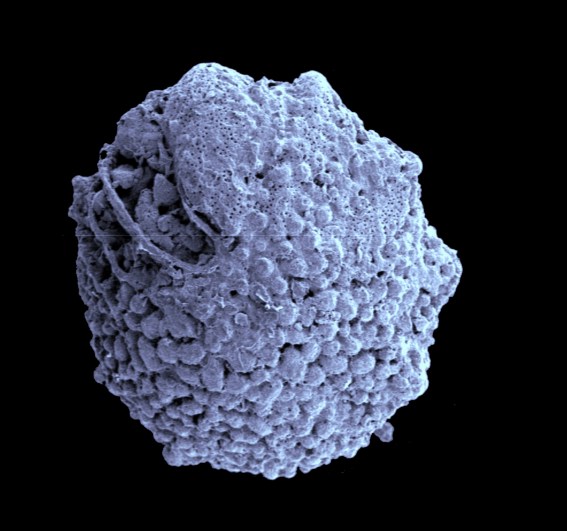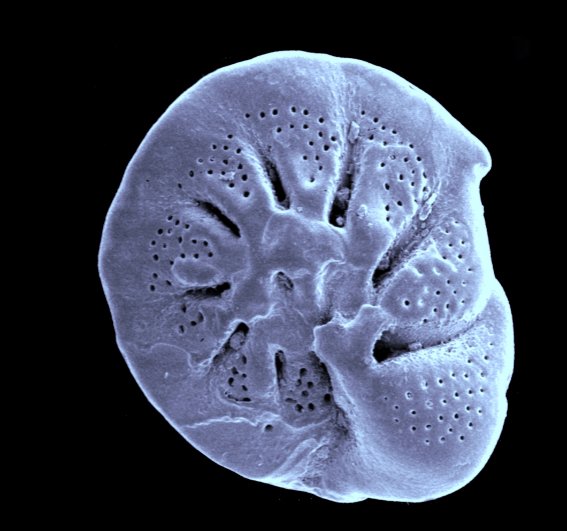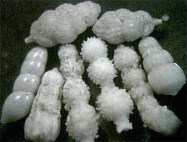
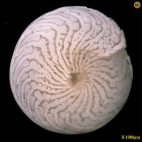
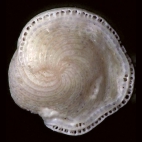
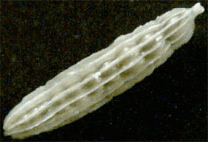
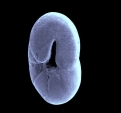
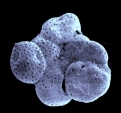
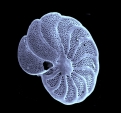
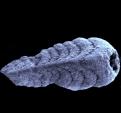
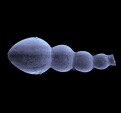
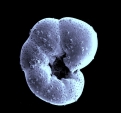
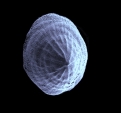
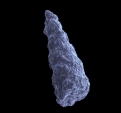
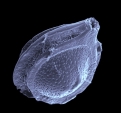
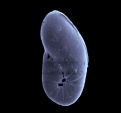
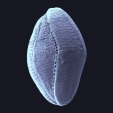
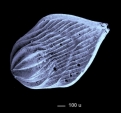
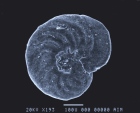
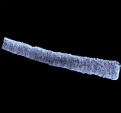
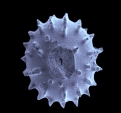
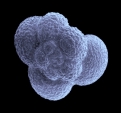
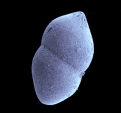
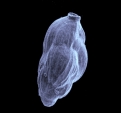
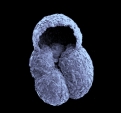
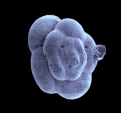
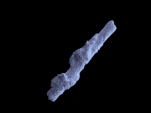
Foraminifers are marine protists (albeit usually with many nuclei). The vast majority of them are benthic organisms, but is it not necessary to collect samples by dredging. The tests can be found at beaches at the high water mark and can easily be collected. Fossil species can be found in sediments of the tertiary era and in abundance in cretaceous rocks. In both cases the isolation of the tests is easy. Usually foraminifers are investigated with a stereo microscope (first series of images). The SEM-pictures given here are much more impressive, but to identify species the use of the microscope is far more preferable. Generally speaking, foraminifers are particularly recommended to be investigated by amateurs!
For instructions how
to collect, isolate and examine foraminifers see <tips
sfor beginners and advanced>.
The first series of
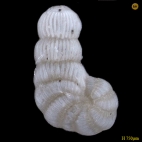
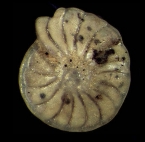
images presented here may demonstrate the abundance of different forms. The
fotos have been taken by Michael
Hesemann, Dieter Ketelsen and Joachim Voß.
|
|
|
|
| Uvigerina u. Nodosaria | Amphistegina | Achaias | Nodosaria |
 |
 |
 |
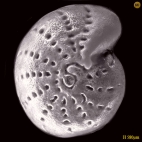 |
| Nodosaria | Coscinospira | Elphidiella | Elphidium |
|
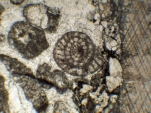
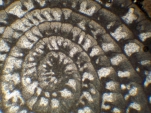
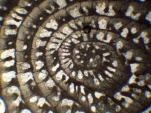
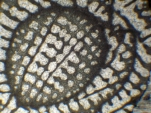
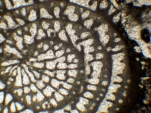
Even
stones contain |
 |
 |
 |
|
 |
 |
|
Neoschwagerina sp. Carbon Mino, Japan |
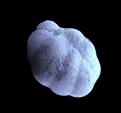 |
This well preserved foraminifer was found in the Carbon formation of Indiana (USA). It lived about 360 million years ago! | |
|
Endothyra
|
More microfossils are presented
on the pages sorted genera  , microfossils, diatoms
and radiolarians.
, microfossils, diatoms
and radiolarians.
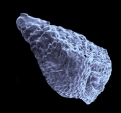
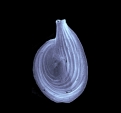
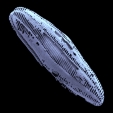
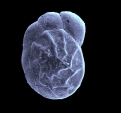
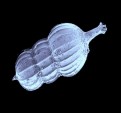
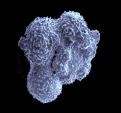
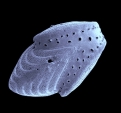
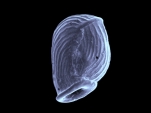
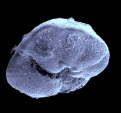
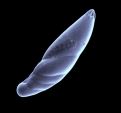
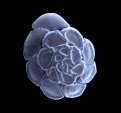
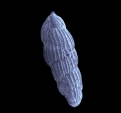
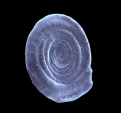
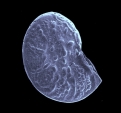
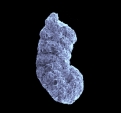
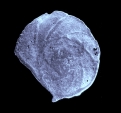
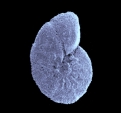
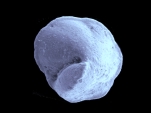
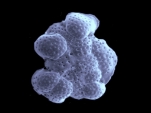
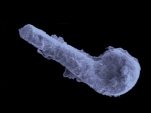
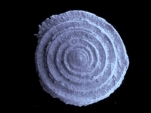
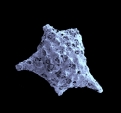
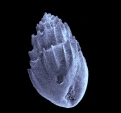
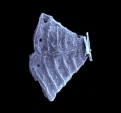
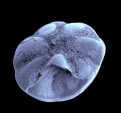
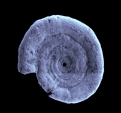
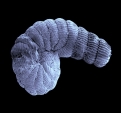
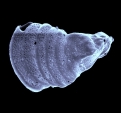
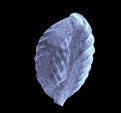
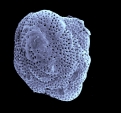
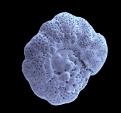
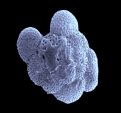
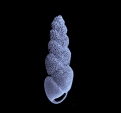
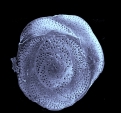
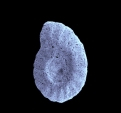
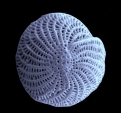
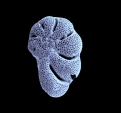
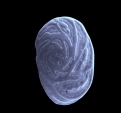
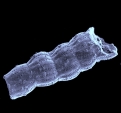
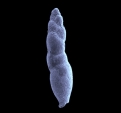
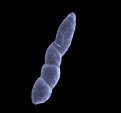
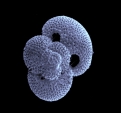
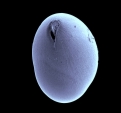
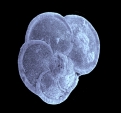
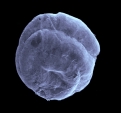
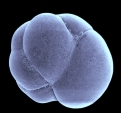
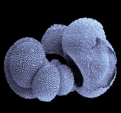
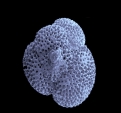
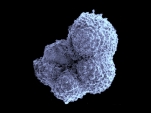
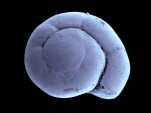
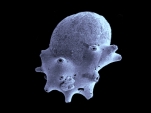
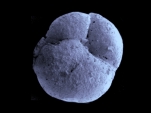
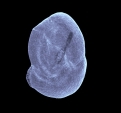
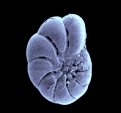
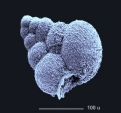
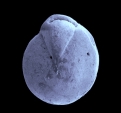
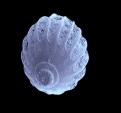
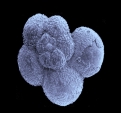
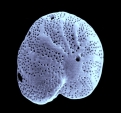
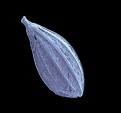
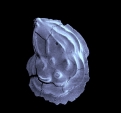
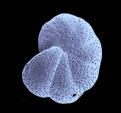
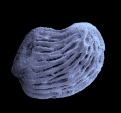
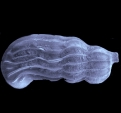
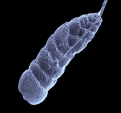
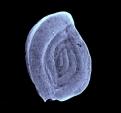
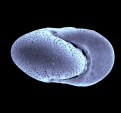
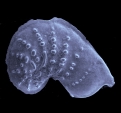
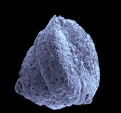
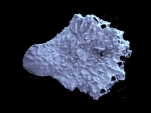
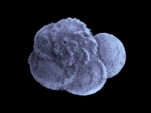
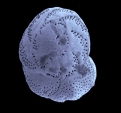
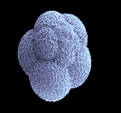
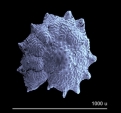
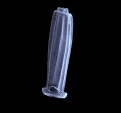
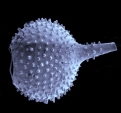
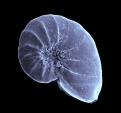
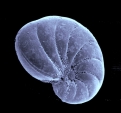
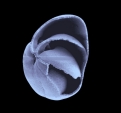
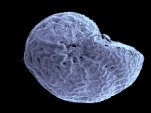
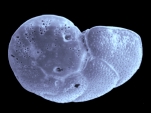
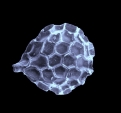
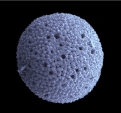
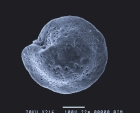
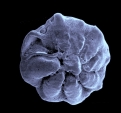
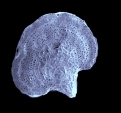
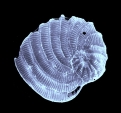
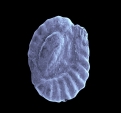
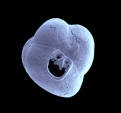
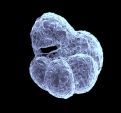
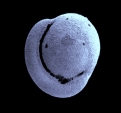
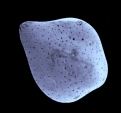
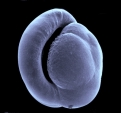
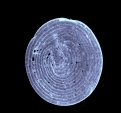
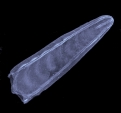
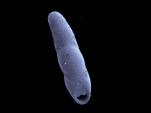
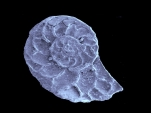
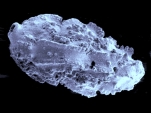
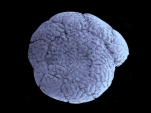
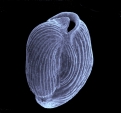
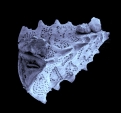
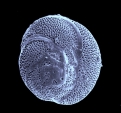
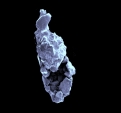
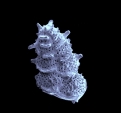
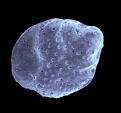
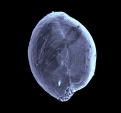
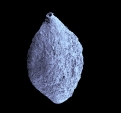
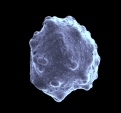
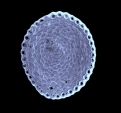
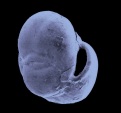
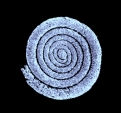
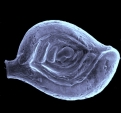
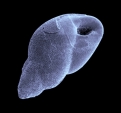
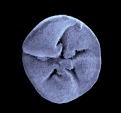
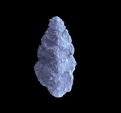
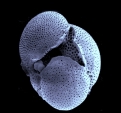
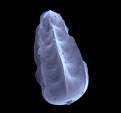
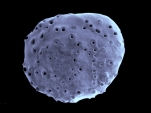
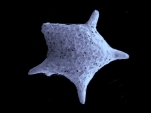
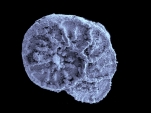
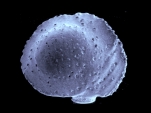
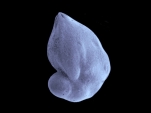
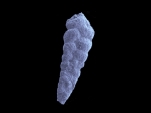
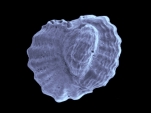
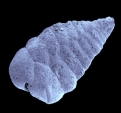
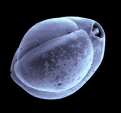
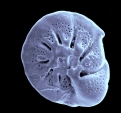
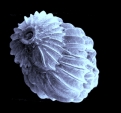
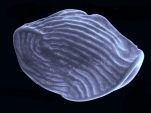
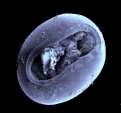
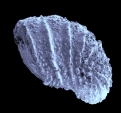
The amazing beauty of foraminifers
can be seen only when using the scanning electron microscope (SEM), which enhances
their contrast of the low-contrast porcelain-like surfaces
 |
 |
 |
 |
 |
 |
|
| ^^ | Abditodentrix . |
Adelosina . |
Alveolinella | Ammonia | Amphicoryna | Archaeo- globigerina |
 |
 |
 |
 |
 |
 |
|
| ^^ | Archaias . |
Articulina | Asterigeri- nata |
Astacolus | Asterorotalia | Angulogerina |
 |
 |
 |
 |
 |
 |
|
| ^^ | Ammodiscus . |
Assilina | Ammobacu- lites |
Asterigerina | Anomalina | Alabamina |
 |
 |
 |
||||
| ^^ | Acervulina . |
Apterinella | Arenoturrispirillina |
 |
 |
 |
 |
 |
 |
|
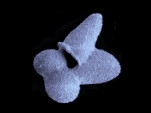
| ^^ | Baculogyp- sina |
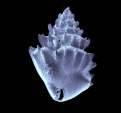
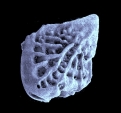
Bolivina | Bolivinella . |
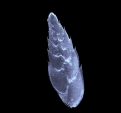
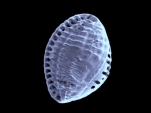
Buccella | Bulimina | Bolivinoides |
 |
 |
 |
||||
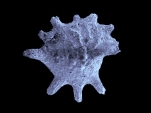
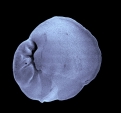
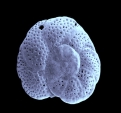
| ^^ | Brizalina . |
Borelis | Beella |
 |
 |
 |
 |
 |
 |
|
| ^^ | Calcarina . |
Cancris | Cassidulina | Ceratobuli- mina |
Cibicidella . |
Cibicides |
 |
 |
 |
 |
 |
 |
|
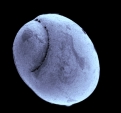
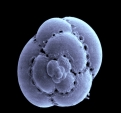
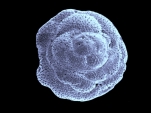
| ^^ | Clavulina | Cornuspira | Coscinospira . |
Chrysalidina | Cycloforina | Cymbalo-porella |
 |
 |
 |
 |
 |
 |
|
| ^^ | Cibicidoides . |
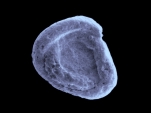
Cymbalo-poretta | Cassidelina | Chilostomella | Candeina | Cymbalopora |
 |
||||||
| ^^ | Calcitornella . |
 |
 |
 |
 |
 |
 |
|
| ^^ | Dentalina . |
Discorbia | Discorbinoides | Dorothia | Discorbis | Duque- psammina |
 |
 |
 |
 |
 |
 |
|
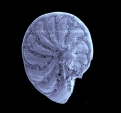
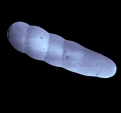
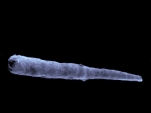
| ^^ | Elphidium | Epistomato- ides |
Eponides | Euthymona- chia |
Eouvigerina | Ellipspso- domorphina |
 |
 |
 |
||||
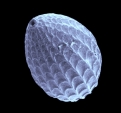
| Elphidiella . |
Ellipso- nodosaria |
Earlandia |
 |
 |
 |
 |
 |
 |
|
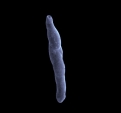
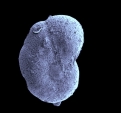
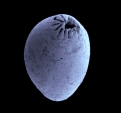
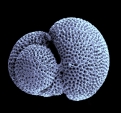
| ^^ | Favulina | Fissurina . |
Floresina | Flosculinella | Frondicularia | Fursenkoina |
 |
 |
 |
 |
 |
 |
|
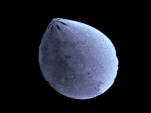
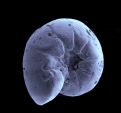
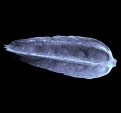
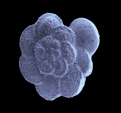
| ^^ | Gavelinella | Glandulina | Globigerina | Globigerino- ides |
Globobulimina | Globorotalia |
 |
 |
 |
 |
 |
 |
|
| ^^ | Glomospira , |
Guttulina | Gyroidina | Geinitzina | Globotruncana | Globocassi- dulina |
 |
 |
 |
 |
 |
 |
|
| ^^ | Globigerinella , |
Globogerinita | Globotrunca- nella |
Gyrodinoides | Globulina | Glyphostomella |
 |
||||||
| ^^ | Gavelinopsis . |
 |
 |
 |
 |
 |
 |
|
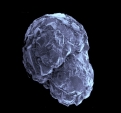
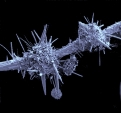
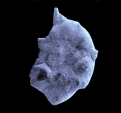
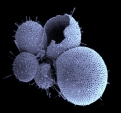
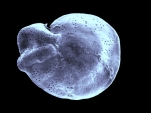
| ^^ | Hauerina | Haynesina | Heterohelix | Hoeglundina | Homalohedra | Hormosinella |
 |
 |
 |
 |
 |
 |
|
| ^^ | Hedbergella | Hanzawaia , |
Haplophrag- moides |
Hormosinello- ides |
Hantkenina | Hastigerina |
 |
 |
|||||
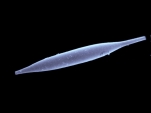
| ^^ | Heterolepa | Hyalinonetrion |
 |
||||||
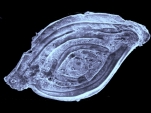
| ^^ | Inaequalina |
 |
||||||
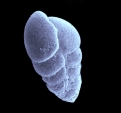
| ^^ | Karreriella |
|
|
 |
 |
 |
 |
 |
|
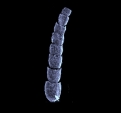
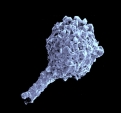
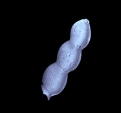
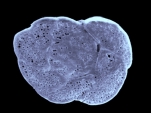
| ^^ | Lachlanella , |
Lagena | Lenticulina | Lobatula | Loxostomum | Leptohalysis |
 |
 |
 |
||||
| ^^ | Lagenammina , |
Laevidentalina | Lenticula |
 |
 |
 |
 |
 |
 |
|
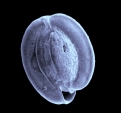
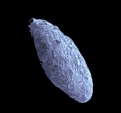
| ^^ | Marginulina . |
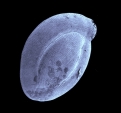
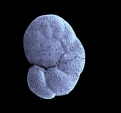
Martinotiella | Massilina | Melonis . |
Miliolinella | Miliammina |
 |
 |
 |
 |
 |
 |
|
| ^^ | Miliona . |
Manzawaia | Marginulopsis | Marssonella | Miogypsina | Marginotruncana |
 |
 |
 |
 |
 |
 |
|
| ^^ | Neoeponides . |
Neoquadrina . |
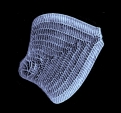
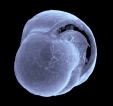
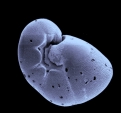
Neorotalia | Nodophthal- mid. |
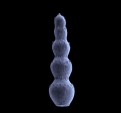
Nodosaria | Nonion |
 |
 |
 |
 |
 |
 |
|
| ^^ | Nonionella . |
Nonionellina | Nodogene- rina |
Neoflabellina | Nummolocul. | Nonionoides |
 |
 |
|||||
| ^^ | Notorotalia . |
Neoconorbina |
 |
 |
 |
||||
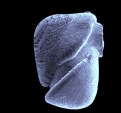
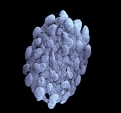
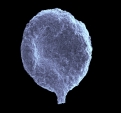
| ^^ | Oolina . |
Orbulina | Osangularia |
 |
 |
 |
 |
 |
 |
|
| ^^ | Pararotalia . |
Pavonina . |
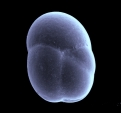
Peneroplis | Pileolina | Planorbulina |
Placentammina |
 |
 |
 |
 |
 |
 |
|
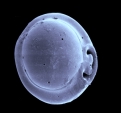
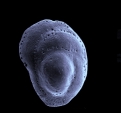
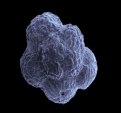
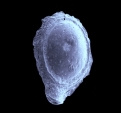
| ^^ | Psammo- shaera |
Pseudomas- silina |
Pseudotrilocu- lina |
Pseudotroch- ammina ? |
Pullenia | Pyrgo |
 |
 |
 |
 |
 |
 |
|
| ^^ | Patellinella . |
Paratroch- ammina |
Palliolatella | Polymorphina | Pulleniatina | Parasorites |
 |
 |
 |
 |
 |
||
| ^^ | Plectofrondi- cularia |
Pleurostomella | Planostegina | Pseudouvi- gerina |
Parrellina |
 |
||||||
| ^^ | Quinquelocu- lina |
 |
 |
 |
 |
 |
 |
|
| ^^ | Reusella . |
Rosalina | Reophax | Rhabdammina | Ramulina | Rugoglobig. |
 |
||||||
| ^^ | Recto- glandulina |
 |
 |
 |
 |
 |
 |
|
| ^^ | Sagrinella . |
Sigmavirgu- lina |
Sigmoihaue- rina |
Sigmoilopsis | Siphoninoi- des |
Sorites |
 |
 |
 |
 |
 |
 |
|
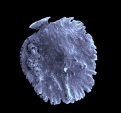
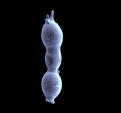
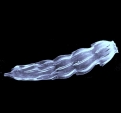
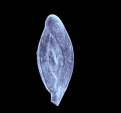
| ^^ | Sphaeroidina |
Spirillina | Spiroloculina | Stainforthia | Stomator- bina |
Spiroplectinella |
 |
 |
 |
 |
 |
 |
|
| ^^ | Siphonina . |
Siphono- nodosaria |
Stilostomella | Sigmoilinita | Sphaeroidinella | Siphogenerina |
 |
 |
 |
 |
 |
 |
|
| ^^ | Svratkina | Schlumberge- rella |
Stensioeina | Siphonia | Saracenaria | Spiroplect- ammina |
 |
||||||
| ^^ | Spirosigmoilina |
 |
 |
 |
 |
 |
 |
|
| ^^ | Textularia . |
Triloculina | Trochulina | Trifarina | Trochammina | Tenuitella |
 |
||||||
| ^^ | Tolypammina |
 |
||||||
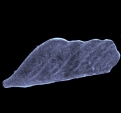
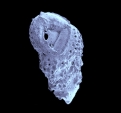
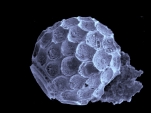
| ^^ | Uvigerina |
 |
 |
 |
 |
 |
 |
|
| ^^ | Vertebralina | Voorthoy- seni. |
Vaginulinop- sis |
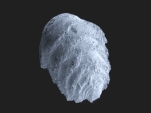
Vaginulina | Virgulopsis | Valvulina |
 |
||||||
| ^^ | Vulvulina . |
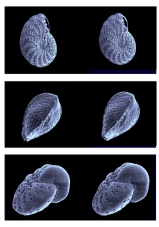
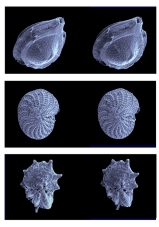
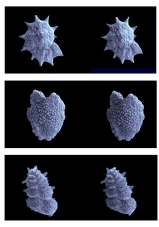
Stereo images
 |
 |
 |
 |
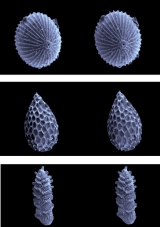 |
Click on a stereo image and then attempt to "see through it dreamingly".
The visual axes of the eyes are parallel this way and between the images appears
a third image, usually first as a double image. After some time these images
merge and you see the object hovering in front of the screen as a three-dimensional
structure. Experience shows that this approach first requires some practice,
but if successfully done the next time the method will work much faster. It
is helpful to "try to see a three dimensional entity"- our brain
will then do the rest of the work.
All the foraminifers on display are part of the collections of M. HESEMANN and K.-O. BOCK, who made the preparations necessary to obtain the SEM-images.
Genus determination:
M. HESEMANN, D. KETELSEN, K.-O. BOCK.
A science-oriented database, created by M. HESEMANN, see www.foraminifera.eu . Here the corresponding Newsletter 2014 .
About foraminifers of the so-called "Sternberg-Stones" see www.foraminifera.eu/sternberg/index.html
A very informative publication concerning forams is available at the followong website:
http://paleopolis.rediris.es/cg/CG2010_BOOK_02/index.html
More microfossils on pages sorted
genera , microfossils,
diatoms and radiolarians.
Copyright: webmaster@mikrohamburg.de