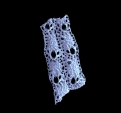
colony
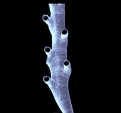
colony
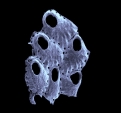
colony
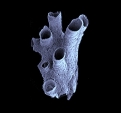
colony
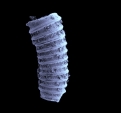
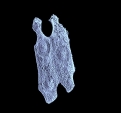
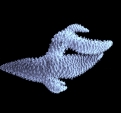
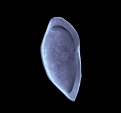
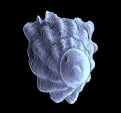
caecum
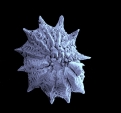
skeletal element
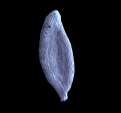
skeletal element
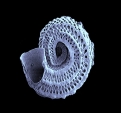
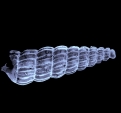
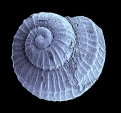
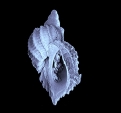
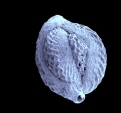
tube
.
.
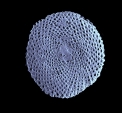
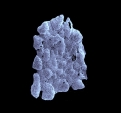
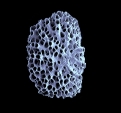
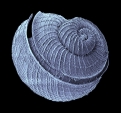
.
colony
Laymen usually associate
the term "fossils" with the fossilized remains of giant dinosaurs,
ammonites and ichtyosaurs in the Franconian Jura and perhaps the many fossils
from the Messel Pit. Such fossils are indeed very impressive, but they are also
extremely rare. Microfossils are abundant, however, and they have remained well
preserved over hundreds of millions of years. They can be easily isolated and
they make it possible to reconstruct the ecosystem, which is an important prerequisite
for the reconstruction of the palaeoclimate. Evolution can be comprehended in
detail through examining the micro-fossils of successive layers.
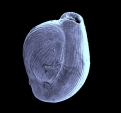
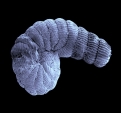
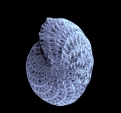
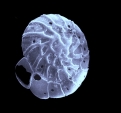
We present microfossils from the Pleistocene (Tertiary) of Ogada to demonstrate their diversity, but this series of pictures does not by far show all the types of microfossils which can be found.
Microfossils
from the Pleistocene (Tertiary) of Hurghada
|
|
|
|
| Bryozoa, colony |
Bryozoa, colony |
Bryozoa, colony |
Bryozoa, colony |
|
|
|
|
| Snail, caecum |
Sea
urchin, skeletal element |
Coral, skeletal element |
Ostracod |
|
|
|
|
| Polychaeta, tube |
Snail | Snail | Snail |
|
|
|
|
| Snail . |
Foraminifer | Foraminifer | Foraminifer |
|
|
|
|
| Foraminifer . |
Foraminifer | Foraminifer | Foraminifer |
|
|
|
|
| Foraminifer . |
Foraminifer | Bryozoa, colony |
Snail |
Series of microfossils
from different places
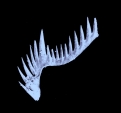 |
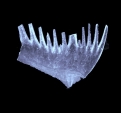 |
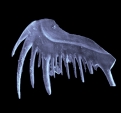 |
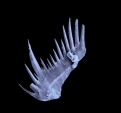 |
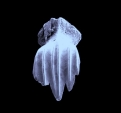
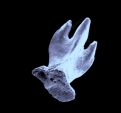
| Conodont . |
Conodont | Conodont | Conodont |
 |
 |
 |
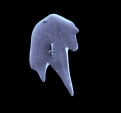 |
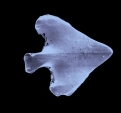
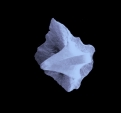
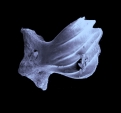
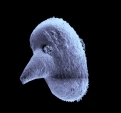
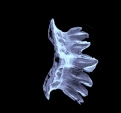
| Dermal
denticle . |
Dermal denticle | Dermal denticle | Dermal denticle |
 |
 |
 |
 |
| Dermal
denticle . |
Dermal denticle | Ostracod | Conodont |
 |
 |
 |
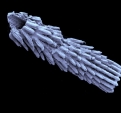 |
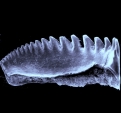
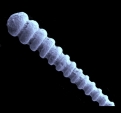
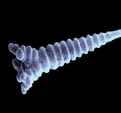
| Scolecodont | Sponge, skeletal element |
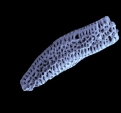
Sponge, skeletal element |
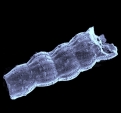
Sea urchin, spine |
 |
 |
 |
 |
| Foraminifer . |
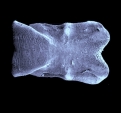
Sea urchin, rotula |
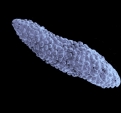
Foraminifer | Octocorallia, skeletal eleme |
 |
 |
 |
 |
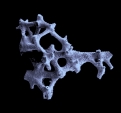
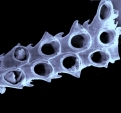
| Sponge, skeletal element |
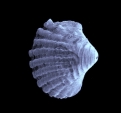
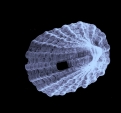
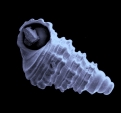
Mussel | Patellid | Snail |
 |
 |
 |
 |
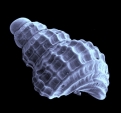
| Snail . |
Bryozoa, colony |
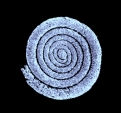
Foraminifer | Foraminifer |
 |
 |
 |
 |
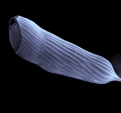
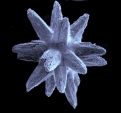
| Sponge, sclerit (?) | Characeae, Oogonium |
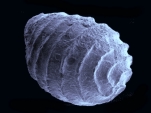
Characeae, Oogonium |
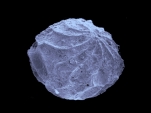
Characeae, Oogonium |
 |
 |
 |
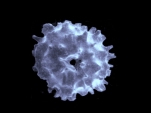 |
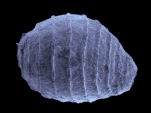
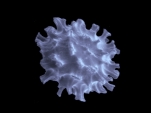
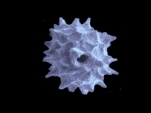
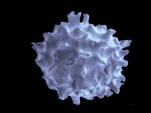
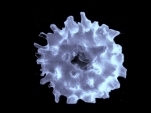
| Bolboforma inc.sed. Miozän/Gr.Pampau |
Bolboforma can be used as index fossils. | Their relation
to known phytoplankton remains uncertain. |
Bolboforma |
 |
|||
| Bolboforma . |
Other microfossils are displayed on the pages foraminifers , diatoms and radiolarians.
Copyright: webmaster@mikrohamburg.de